Frozen Shoulder (Adhesive Capsulitis)

If you are struggling to reach behind your back, put on a coat, or sleep on your side because of severe, stiffening shoulder pain, you may be experiencing a “Frozen Shoulder.”

In the medical field, this is known as Adhesive Capsulitis. It occurs when the strong connective tissue surrounding your shoulder joint (the capsule) becomes chronically inflamed. Over time, this inflammation causes the capsule to thicken, scar, and shrink. As the tissue tightens, it literally glues the joint shut, severely restricting your mobility and causing deep, constant pain.

At a Glance: Fast Facts for Recovery
  • The Issue: A painful, progressive stiffening of the shoulder joint that ruins your sleep and limits basic daily activities.
  • Our Solution: Targeted, anatomy-based acupuncture to flush out joint inflammation in the early stages, combined with therapies to structurally release the joint in the later stages.
  • The Goal: To reduce pain, shorten the lifespan of the condition, and prevent permanent muscle wasting in your shoulder and arm.
  • Expected Timeline: Early intervention is the key for frozen shoulder, If the shoulder is already deeply frozen, conservative therapy requires a dedicated, multi-week commitment to safely restore movement.

A Clinical Note from Ruixun (Ray) Lin, L.Ac., EAMP “The true culprit behind a difficult Frozen Shoulder recovery is that it usually starts as simple stiffness, leading patients to assume it will just go away on its own. Unfortunately, by the time most people finally seek care, the shoulder has already entered the ‘freezing’ phase, and their daily range of motion is significantly restricted. The beauty of clinical acupuncture is that it meets you exactly where you are. No matter which stage of the condition you are currently in, most of the patients gain measurable outcome from the

The Four Stages of Frozen Shoulder

Frozen shoulder follows a very predictable timeline. Knowing which stage you are in helps us understand exactly what is happening inside your joint and how to effectively treat it:

Stage 1: The “Painful” Phase (0 to 3 Months) Your shoulder starts to ache, with sharp pain when you try to move it. You might notice it is getting slightly harder to reach for things, but it isn’t fully stuck yet. This is the most critical time to start acupuncture to stop the progression.

Stage 2: The “Freezing” Phase (3 to 9 Months) The pain becomes constant and intense, often disrupting your sleep. Your shoulder gets progressively stiffer, making daily tasks like getting dressed, combing your hair, or reaching for your wallet very difficult.

Stage 3: The “Frozen” Phase (9 to 15 Months) The sharp, constant pain actually starts to fade, but your shoulder feels physically “locked” in place. The joint is severely restricted, and you may find yourself shrugging your entire shoulder just to lift your arm.

Stage 4: The “Thawing” Phase (15 to 24+ Months) The extreme stiffness slowly begins to melt away, and your range of motion gradually improves. While most people do recover completely (or very close to it) within 1 to 3 years, a flawless recovery is not mathematically guaranteed. About 10% to 50% of individuals may retain minor, permanent limitations in their range of motion—especially when reaching overhead or behind the back—though these slight restrictions rarely impact daily life.

How Clinical Acupuncture Fixes the Problem

While a frozen shoulder can eventually thaw on its own, waiting up to two years takes a massive toll on your life. Furthermore, not moving your arm for that long causes your shoulder muscles to rapidly shrink and weaken (disuse atrophy).

Our evidence-based acupuncture treatments are designed to drastically shorten this timeline:

  • Catching it Early (Stages 1 & 2): In the early stages, your joint is filled with a highly inflammatory fluid. Acupuncture excels here by dramatically increasing local blood circulation to flush out this inflammatory fluid before the capsule has a chance to scar and shrink. If we catch it early enough, we can often slows down the “freeze” before it sets in.
  • Releasing the Joint (Stages 3 & 4): If your shoulder is already frozen, the inflammation has dried up and left behind dense scar tissue. During this phase, we use targeted acupuncture to rapidly turn off your pain signals and relax the surrounding muscles. This allows you to comfortably tolerate the movement and physical therapy required to break those adhesions apart and restore your mobility.

What Is Piriformis Syndrome?

The piriformis muscle originates at the anterior surface of the sacrum and inserts into the greater trochanter of the femur, playing a pivotal role in external hip rotation. Piriformis Syndrome occurs when this muscle undergoes acute trauma, repetitive micro-injury, or chronic strain, leading to localized hyperemia, edema, or protective muscular spasms.

Over time, unresolved chronic inflammation can lead to tissue degeneration, hypertrophy, and fibrotic scar tissue formation. Because the sciatic nerve (or its high-splitting peroneal divisions) travels directly beneath or occasionally through the piriformis belly, this hypertrophy narrows the infrapiriform foramen. The resulting mechanical compression and chemical irritation of the nerve elicit a distinct cascade of radicular symptoms.

At a Glance: Fast Facts for Recovery

  • The Issue: Deep buttock pain that shoots down your leg is often misdiagnosed as a lumbar slipped disc. In reality, up to 15% to 25% of these cases are actually Piriformis Syndrome—a condition where a deep pelvic muscle spasms and physically traps the sciatic nerve. Standard stretching often aggravates this specific nerve compression.
  • Our Solution: We use targeted, anatomy-based acupuncture in combination with clinical therapies to release the locked piriformis muscle, flush out localized inflammation, and un-trap the compromised nerve.
  • The Goal: To structurally resolve the muscular tension and mechanical compression, restoring your pain-free range of motion and eliminating radiating leg pain or numbness. Whether you are already working with a physical therapist, orthopedic specialist, or chiropractor, we strategically integrate our care with theirs to create the optimal environment for your neuromuscular system to heal.
  • Expected Timeline: Acute, simple piriformis spasms can respond rapidly, often within 1 to 3 sessions. Chronic, fibrotic nerve impingement requires a structured, multi-week clinical pathway. A personalized timeline will be established during your initial clinical evaluation.


A Clinical Note from Ruixun (Ray) Lin, L.Ac., EAMP “
Many of my patients come in seeking relief for general sciatica, unaware that the true culprit is often Piriformis Syndrome—where a deep hip muscle clamps down on the body’s longest nerve. The beauty of clinical acupuncture is our ability to target this entire nerve pathway in a single session, releasing the muscular compression at the hip while simultaneously calming nerve inflammation all the way down the leg. Interestingly, you don’t even need a complex formal diagnosis to get better. Whether your pain is labeled as general leg pain or a specific piriformis entrapment, we address the physical reality of the nerve compression directly. It is a safe, highly effective, evidence-based tool with virtually no side effects that every patient should explore.”

Acupuncture for Sciatica & Lumbar Radiculopathy: Evidence-Based Relief for Nerve Pain

Summary: Acupuncture offers an evidence-based, non-pharmacological solution for sciatica and lumbar radiculopathy. By utilizing precise neuro-anatomical targeting, it reduces neuro-inflammation, releases muscular nerve entrapment, and modulates pain signaling pathways. Acupuncture serves as a highly effective intervention on its own, or as a seamless complement to physical therapy, spinal injections, and post-surgical rehabilitation.

“Sciatica” is a broad term used to describe pain radiating down the back of the leg, but it is actually a symptom rather than a root diagnosis. In clinical practice, we differentiate between true Lumbar Radiculopathy (compression of the nerve root at the spine, typically L4, L5, or S1) and peripheral nerve entrapment. Accurate orthopedic assessment and correlation with medical imaging (MRI/CT) are essential to applying the correct treatment protocol.

Here is how evidence-based acupuncture addresses the distinct mechanisms of sciatic nerve pain:

Common Causes of Sciatic Nerve Pain & How Acupuncture Can Help

1. Lumbar Radiculopathy: “A Pinched Wire at the Source”

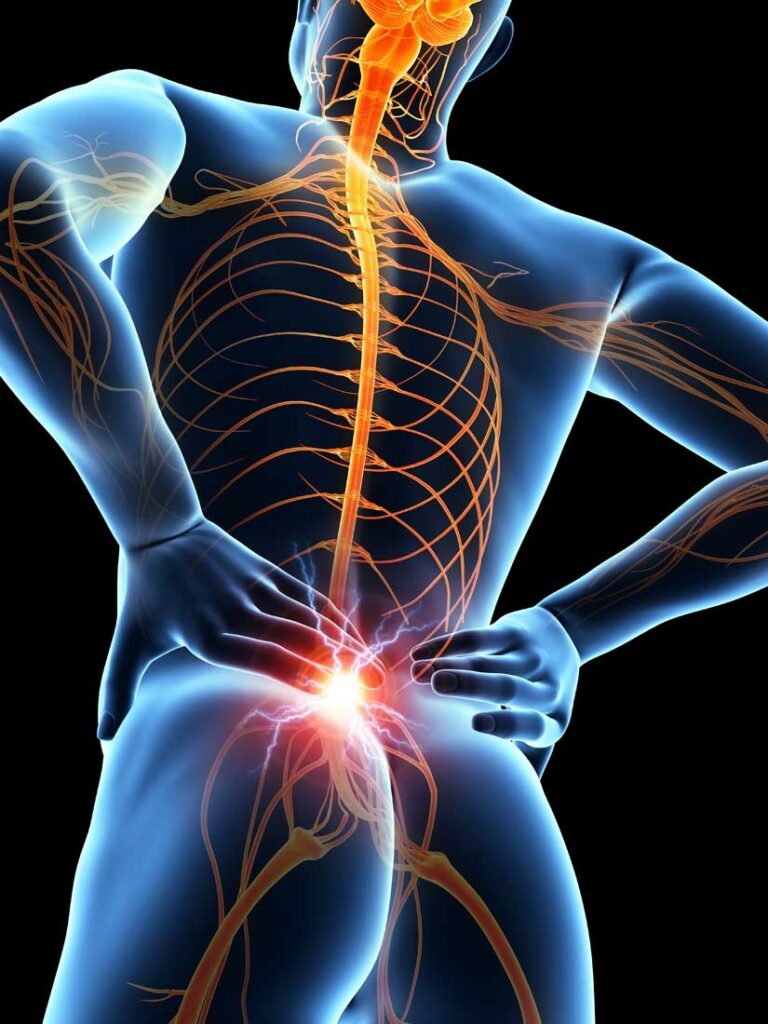
True radiculopathy occurs when a structural issue—such as a herniated disc, bone spur, or foraminal stenosis—compresses the nerve root as it exits the lumbar spine. This results in sharp, shooting pain, numbness, or motor weakness traveling down specific dermatomal pathways in the leg or foot.

How Acupuncture Helps:

  • Reduces Neuro-inflammation: Targeted needling, often combined with electro-acupuncture, helps down-regulate inflammatory cytokines surrounding the compressed nerve root.
  • Improves Microcirculation: By inducing local vasodilation, it increases blood perfusion to the ischemic (oxygen-deprived) nerve tissue, accelerating cellular repair.
  • Modulates Pain Signaling: Stimulates the descending inhibitory pathways in the central nervous system, effectively acting as a neuromodulator to dull sharp radicular pain.

In cases of true radiculopathy, consistent acupuncture can significantly reduce nerve irritability and improve function, often helping patients delay or avoid invasive procedures.

2. Piriformis Syndrome & Peripheral Entrapment: “A Kinked Hose Down the Line”

Sometimes the lumbar spine is structurally sound, but the sciatic nerve is compressed further down its pathway. The most common site for this is deep in the gluteal region, where a hypertonic (spastic) piriformis muscle clamps down on the nerve.

How Acupuncture Helps:

  • Releases Motor Points: By precisely targeting the motor nerve entry points of the piriformis and surrounding gluteal muscles, acupuncture elicits a fasciculation (twitch response) that mechanically resets the muscle spindle.
  • Relieves Mechanical Pressure: Decompressing the localized tissue physically frees the sciatic nerve from entrapment.
  • Restores Biomechanics: Addresses compensatory muscle guarding in the pelvis and lower extremities that perpetuates the cycle of pain.

This condition typically responds rapidly to anatomical acupuncture, offering swift restoration of mobility and relief from deep, aching gluteal and leg pain.

3. Chronic Sensitization: “An Overactive Alarm System”

When a nerve is irritated for a prolonged period, the central nervous system can become hypersensitive. Even after the initial mechanical compression is resolved, the nerves continue to misfire, interpreting normal movement as painful.

How Acupuncture Helps:

  • Desensitizes the Nervous System: Regulates the autonomic nervous system to shift the body out of a sympathetic “fight or flight” pain loop.
  • Releases Endogenous Opioids: Triggers the body’s natural pain-relieving neurochemicals, including endorphins and enkephalins.
  • Supports Active Rehabilitation: Facilitates pain-free movement so patients can actively participate in targeted physical therapy and strengthening exercises.

What to Expect During Acupuncture Treatment

Clinical acupuncture for nerve pain goes beyond traditional point selection. A standard visit involves detailed orthopedic exams, neurological assessments (testing reflexes, myotomes, and dermatomes), and correlation with your MRI/CT findings to pinpoint the exact level of nerve involvement.

Treatment often incorporates electro-acupuncture to stimulate specific neural pathways. Recovery time depends heavily on whether your issue is a muscular entrapment (which generally resolves faster) or a structural nerve root compression (which requires a sustained, cumulative treatment plan).

Frequently Asked Questions

1. Do I Need an MRI Before Starting Acupuncture Treatment? An MRI is not strictly required to begin treatment. However, if your symptoms include progressive motor weakness or fail to improve as expected, we will recommend advanced imaging or coordinate with your orthopedic specialist.

2. Can Acupuncture Help with Numbness and Muscle Weakness? Yes. While pain is often the first symptom to decrease, numbness and motor weakness take longer to resolve because they indicate deeper nerve compression. Acupuncture promotes blood flow to the damaged nerve, facilitating myelin sheath repair and helping restore proper motor firing over time.

3. Is Acupuncture Safe if I’m Considering Epidural Injections or Surgery? Absolutely. Acupuncture is a highly effective pre-habilitative and post-habilitative therapy. It can be safely integrated with corticosteroid injections and is widely utilized in post-surgical recovery to manage residual nerve pain, improve circulation, and prevent scar tissue formation.

4. How Long Does Nerve Pain Take to Heal? Nerve tissue heals slowly—typically about 1 millimeter per day. While you may experience pain reduction within the first few sessions, restoring full nerve function in severe radiculopathy cases requires patience and adherence to your treatment plan.

Why Choose Acupuncture for Sciatica & Lumbar Radiculopathy?

  • Evidence-Based & Anatomically Precise: Treatments target the exact nerve roots and motor points responsible for your symptoms.
  • Non-Invasive Neuromodulation: Reduces inflammation and pain without the side effects of prolonged NSAID or nerve medication use.
  • Integrative Approach: Works seamlessly alongside standard medical care, imaging diagnostics, and physical therapy.

If you’re looking for an effective, holistic, and clinically rigorous treatment for sciatic nerve pain or radiculopathy, we provide personalized acupuncture services serving people from Mercer Island, Seattle, Bellevue, and Redmond. We focus on identifying the true root of your condition and helping you regain mobility.

Book Your Consultation Today

Take the first step toward recovery! Contact us today to schedule your consultation and discover how evidence-based acupuncture can help you heal naturally. We’re here to guide you on your journey to feeling better.

Disclaimer This article is for informational purposes only and is not intended to provide medical advice, diagnosis, or treatment. Acupuncture treatment and outcomes may vary depending on the individual and their specific condition. Please consult with a licensed healthcare provider to determine the most appropriate treatment plan for your individual needs. While acupuncture can provide relief for many, results are not guaranteed, and the effectiveness of treatment depends on various factors, including the severity of your condition, your overall health, and adherence to treatment recommendations.

Copyright © 2026 Ruixun Lin, L.Ac., EAMP. All Rights Reserved.

Yin Hei Ng (Keira) L.Ac., EMP.

Keira earned her Bachelor of Chinese Medicine degree from The University of Hong Kong and completed clinical training at Shuguang Hospital Affiliated to Shanghai University of Traditional Chinese Medicine, one of China’s leading tertiary Traditional Chinese Medicine teaching hospitals.

Her interest in Chinese Medicine began through her own health journey. As a child, she experienced frequent illnesses, including recurring coughs, and later struggled with painful menstrual cramps as a teenager. Through Traditional Chinese Medicine, healthy lifestyle habits, and personalized care, she witnessed the body’s remarkable ability to heal and regain balance. These experiences inspired her to pursue a career dedicated to helping others achieve better health.

Keira believes that true wellness involves more than treating symptoms alone. She values the holistic perspective of Traditional Chinese Medicine, recognizing the close connection between physical health, emotional well-being, lifestyle, and environment. Her approach focuses on understanding each patient as a whole person and creating individualized treatment plans that support long-term health and resilience.

Through acupuncture, herbal medicine, and lifestyle guidance, Keira helps patients restore balance and support their body’s natural healing capacity. She enjoys working with patients seeking support for pain management, women’s health, digestive concerns, stress-related conditions, sleep difficulties, and overall wellness.

Two verses that continue to inspire her understanding of health and healing:

“A merry heart doeth good like a medicine: but a broken spirit drieth the bones.” — Proverbs 17:22
“…the leaves of the tree were for the healing of the nations.” — Revelation 22:2

Yin Hei Ng (Keira) L.Ac., EMP.

Keira earned her Bachelor of Chinese Medicine degree from The University of Hong Kong and completed clinical training at Shuguang Hospital Affiliated to Shanghai University of Traditional Chinese Medicine, one of China’s leading tertiary Traditional Chinese Medicine teaching hospitals.

Her interest in Chinese Medicine began through her own health journey. As a child, she experienced frequent illnesses, including recurring coughs, and later struggled with painful menstrual cramps as a teenager. Through Traditional Chinese Medicine, healthy lifestyle habits, and personalized care, she witnessed the body’s remarkable ability to heal and regain balance. These experiences inspired her to pursue a career dedicated to helping others achieve better health.

Keira believes that true wellness involves more than treating symptoms alone. She values the holistic perspective of Traditional Chinese Medicine, recognizing the close connection between physical health, emotional well-being, lifestyle, and environment. Her approach focuses on understanding each patient as a whole person and creating individualized treatment plans that support long-term health and resilience.

Through acupuncture, herbal medicine, and lifestyle guidance, Keira helps patients restore balance and support their body’s natural healing capacity. She enjoys working with patients seeking support for pain management, women’s health, digestive concerns, stress-related conditions, sleep difficulties, and overall wellness.

Two verses that continue to inspire her understanding of health and healing:

“A merry heart doeth good like a medicine: but a broken spirit drieth the bones.” — Proverbs 17:22
“…the leaves of the tree were for the healing of the nations.” — Revelation 22:2

Relief for Neck Pain, Cervicalgia & Radiculopathy

At a Glance: Fast Facts for Recovery

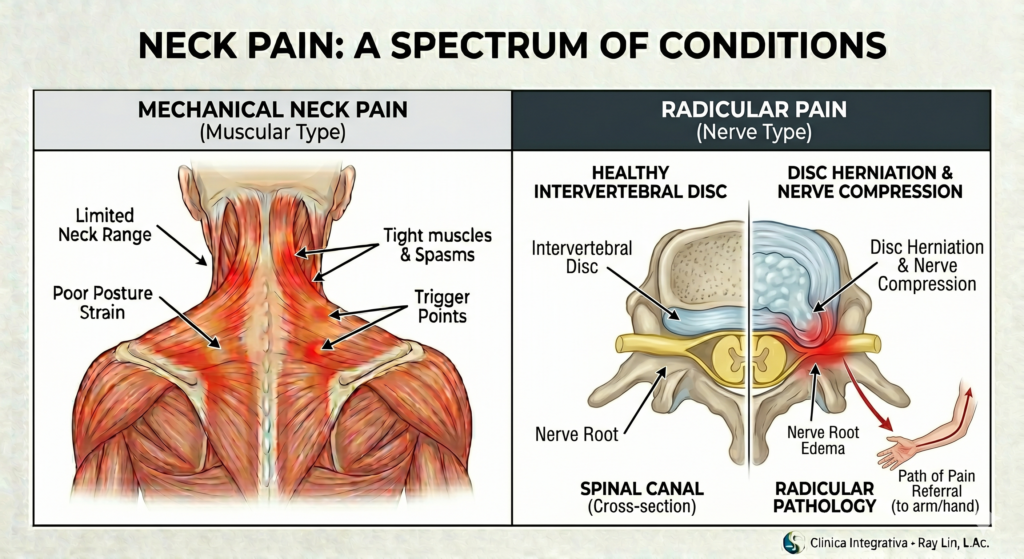
  • The Issue: “Neck pain” exists on a wide spectrum—ranging from a simple, acute muscle strain to complex structural issues involving cervical disc degeneration or pinched nerves (radiculopathy) that standard stretching simply cannot fix.
  • Our Solution: We utilize precise orthopedic assessments and, when available, integrate your medical imaging (MRI/CT) directly into our treatment planning. We then use targeted, anatomy-based acupuncture in combination with classic clinical techniques to release defensive muscle spasms, calm the broader nervous system, and reduce localized nerve inflammation. For complex cases, we actively co-manage your care alongside your existing specialists.
  • The Goal: To structurally resolve tension—whether it is a simple muscular ache or a complex cervical spine condition—restoring your range of motion and eliminating radiating pain or numbness. Whether you are already working with a physical therapist, chiropractor, or specialist, we strategically integrate our care with theirs. Together, we create the optimal physiological environment for your neck to heal naturally, without relying on temporary fixes.
  • Expected Timeline: Acute, simple muscular pain often responds within 2-4 sessions. Chronic nerve impingement (radiculopathy) requires a structured, multi-week clinical pathway. A personalized timeline will be established during your initial clinical evaluation and consultation.

A Clinical Note from Ruixun (Ray) Lin, L.Ac., EAMP “Many of my patients come in seeking relief for simple muscle tension, but they are often surprised to learn that clinical acupuncture is also highly effective at managing complex radiculopathy (pinched nerves). During my medical residency at a top-tier hospital in Shanghai, I saw firsthand how targeted, anatomy-based acupuncture is utilized as a primary, first-line treatment for these exact cervical conditions. Whether you are seeking a standalone conservative therapy or looking to integrate acupuncture alongside your current medical specialists, our goal is to structurally reduce the nerve inflammation without relying on invasive procedures. It is a powerful, evidence-based tool that every patient should explore.” —

Clinical Analysis & Treatment (In-depth read)

Whether you woke up with a severely stiff neck or you have been battling radiating arm pain from a cervical disc herniation, persistent neck pain disrupts every aspect of your life.

At our clinic, we do not view “neck pain” as a single diagnosis. We approach your cervical spine through the lens of modern orthopedic science and neuro-anatomy. By identifying exactly which tissues, nerves, or blood vessels are compromised, we provide highly targeted, evidence-based relief.

Understanding Your Symptoms: Which Profile Fits You?

1. Mechanical Neck Pain (Cervical Type)
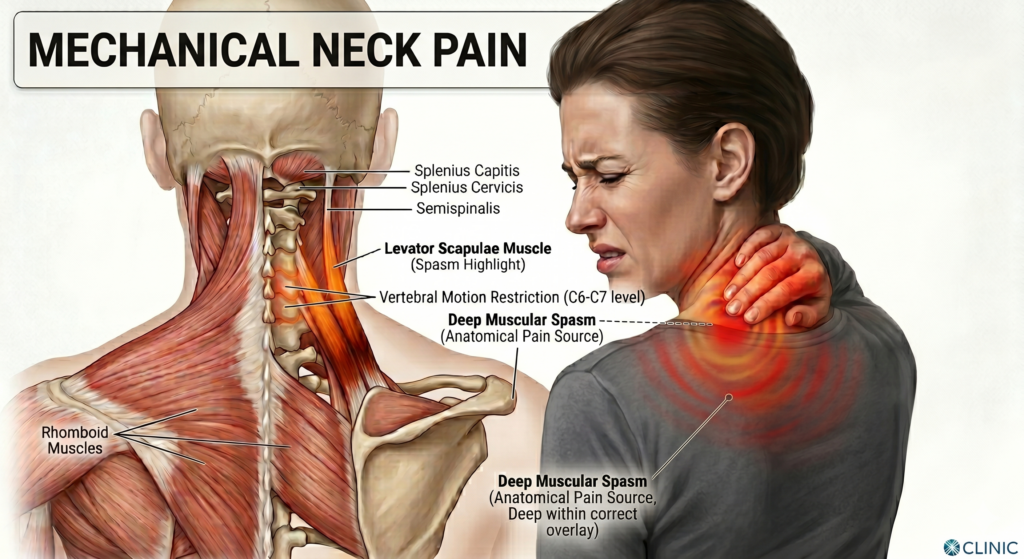
  • The Signs: A stiff neck, severe muscle spasms, and a restricted ability to turn your head (often requiring you to turn your whole body to look over your shoulder).
  • The Reality: This is primarily a soft-tissue issue involving acute or chronic strain to the cervical muscles, ligaments, and joint capsules.
  • Our Clinical Approach (Releasing Defensive Spasms): Acute or chronic neck issues and poor posture cause surrounding muscles to lock up in a protective spasm. We use targeted acupuncture to force these motor points to release muscle tension, instantly removing mechanical stress from the spine and restoring your natural range of motion.

2. Radiating Pain & Numbness (Nerve Root / Radicular Type)
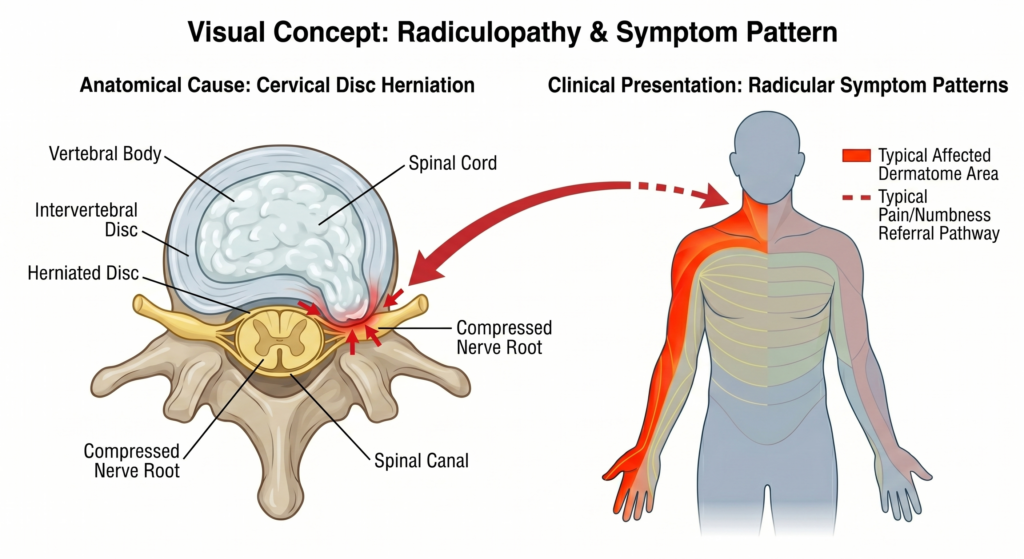
  • The Signs: Sharp, shooting, or burning pain that may travel down your shoulder, arm, or into your fingers. You may also experience a weak grip or a “pins and needles” sensation.
  • The Reality: A bulging disc, herniation, bone spur, or degenerative change is directly compressing a cervical nerve root (such as C5 or C6) as it exits the spine.
  • Our Clinical Approach (Reducing Nerve Root Edema & Supporting Natural Recovery): Depending on the type of disc herniation, the body actually has a remarkable capacity to heal over time. Acupuncture acts as a catalyst for this process. By targeting specific neuro-anatomical points, we regulate local micro-circulation to decrease the swelling around the pinched nerve and accelerate the body’s natural tissue repair. Additionally, we use targeted needling to release the intense “muscle guarding”—the painful secondary spasms that occur when your neck tries to protect the injured disc. By structurally relieving this tension and stimulating the compromised nerve, we effectively reduce neuropathic symptoms like numbness and tingling, helping to preserve nerve function while the compression resolves.

3. Advanced Cervical Compression & Perioperative Care (Stable Cases)

  • The Signs: Chronic, severe radiating pain, persistent numbness, or a history of significant disc degeneration. (Please note: We manage patients who are neurologically stable. If you are currently experiencing emergency “red flag” symptoms—such as sudden foot drop, suddenly dropping objects from your hands, or a rapid loss of balance—you must seek an immediate emergency medical or orthopedic evaluation.)
  • The Reality: You may have an MRI showing severe spinal stenosis or stable compression, but you do not have acute, progressive motor loss. You might be trying to delay surgery, managing your condition conservatively under the guidance of your specialist, currently waiting for an appointment, or seeking post-operative recovery support.
  • Our Clinical Approach (Neuromuscular Stimulation & Co-Management): For severe but stable compression, our clinic plays a crucial supportive role alongside your medical specialists. Often, severe nerve pain prevents patients from participating in Physical Therapy (PT), which can lead to rapid muscle atrophy and degraded nerve signaling. Clinical acupuncture hits a critical “sweet spot” here. It safely manages your pain while providing continuous, targeted stimulation to the compromised nerves and muscles without aggravating the spine. This helps prevent atrophy, keeps the neuromuscular pathways active, and optimizes your body for both surgical preparation and post-operative recovery.

4. Neck Pain with Headaches & Dizziness (Cervicogenic & Sympathetic Type)
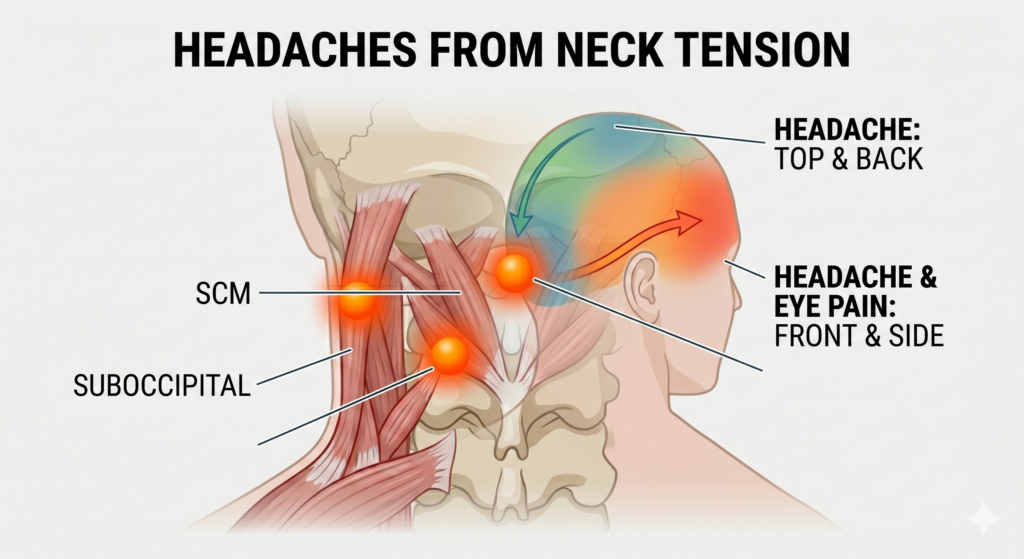
  • The Signs: Your neck stiffness triggers tension headaches at the base of the skull, radiating pain behind the eyes, dizzy spells, or feeling off-balance when turning your head.
  • The Reality: Mechanical joint dysfunction or chronic muscle spasms in the upper cervical spine are referring pain directly into your head (cervicogenic headache) or irritating local nerves and vascular pathways.
  • Our Clinical Approach (Resolving the Kinetic Chain): The muscles in your upper neck do not operate in isolation; they are connected in a complex kinetic chain. When cervical dysfunction occurs, it creates a constant “tug-of-war” between multiple muscle groups, generating intense mechanical tension that pulls directly on the base of your skull. By using targeted acupuncture to release this entire chain of muscles simultaneously, we effectively stop the tug-of-war. For patients who have spent months or years frustrated by “unexplained” (idiopathic) dizziness, brain fog, or chronic tension headaches, finally addressing this physical cervical root cause often produces profound, breakthrough results.

Our Clinical Approach: An Evidence-Based Treatment Pathway

We do not believe in endless treatments without measurable progress. Whether you come to our clinic with a prior MRI diagnosis or just woke up with a stiff neck, we meet you exactly where you are. We follow a strict, results-driven standard of care, constantly evaluating your response to treatment to ensure you receive the most effective care possible—whether we are managing your recovery independently or collaborating closely with your other medical specialists. Because every cervical injury is unique, we will design a personalized treatment timeline during your initial consultation.

  • Step 1: Acute Phase & Primary Intervention For new or acute flare-ups, our first line of defense is targeted acupuncture combined with clinical rest. The goal is to rapidly reduce localized inflammation, relieve acute nerve pain, and stop severe muscle spasms in the neck and shoulders.
  • Step 2: Chronic Phase & Comprehensive Therapy If the pain is chronic, structural (like a herniated disc), or does not fully resolve with standard acupuncture, we escalate our clinical approach. This phase incorporates comprehensive therapies and advanced neuro-anatomical tools we utilize within our scope of practice to accelerate deeper tissue healing and nerve repair.
  • Step 3: Re-evaluation & Responsible Referral We closely monitor your progress. Once your symptoms have essentially disappeared, we transition you to a simple maintenance plan. However, if you experience persistent functional impairment or if your symptoms are completely unresponsive to conservative care, we will formally refer you back to your doctor or an orthopedic specialist to explore other treatment plans. Your ultimate recovery is always our first priority.

A Clinical Note from Ruixun (Ray) Lin, L.Ac., EAMP “Many of my patients come in seeking relief for simple muscle tension, but they are often surprised to learn that clinical acupuncture is also highly effective at managing complex radiculopathy (pinched nerves). During my medical residency at a top-tier hospital in Shanghai, I saw firsthand how targeted, anatomy-based acupuncture is utilized as a primary, first-line treatment for these exact cervical conditions. Whether you are seeking a standalone conservative therapy or looking to integrate acupuncture alongside your current medical specialists, our goal is to structurally reduce the nerve inflammation without relying on invasive procedures. It is a powerful, evidence-based tool that every patient should explore.” —
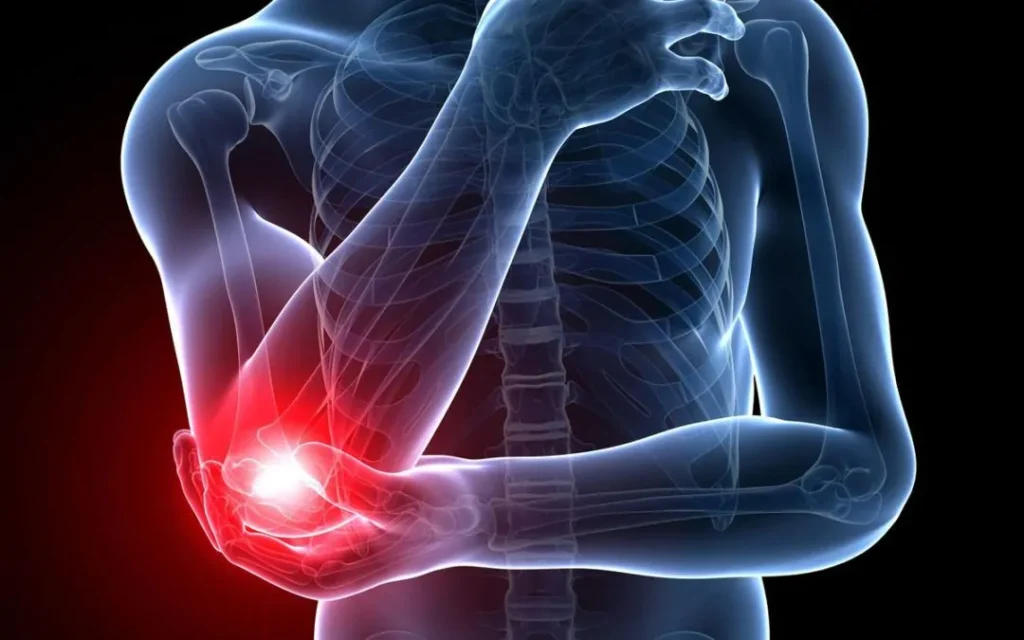
Relief For Tennis Elbow (Lateral Epicondylitis)

At a Glance: Fast Fasts for Recovery

  • The Issue: “Tennis Elbow” is a common repetitive strain injury causing persistent, aching pain on the outside of the elbow and weakness in your grip. It often gets stuck in a chronic inflammatory phase and is notoriously slow to heal on its own.
  • Our Solution: We use targeted acupuncture to safely kick-start your body’s natural healing process. By improving local blood flow and releasing tension in the surrounding forearm muscles, we help structurally resolve the tissue strain.
  • The Goal: To get you out of pain and back to your active lifestyle using a conservative, evidence-based approach—without relying on extended downtime or jumping straight to invasive procedures.
  • Expected Timeline: Many patients notice a reduction in acute pain and improved mobility within the first 4-6 sessions
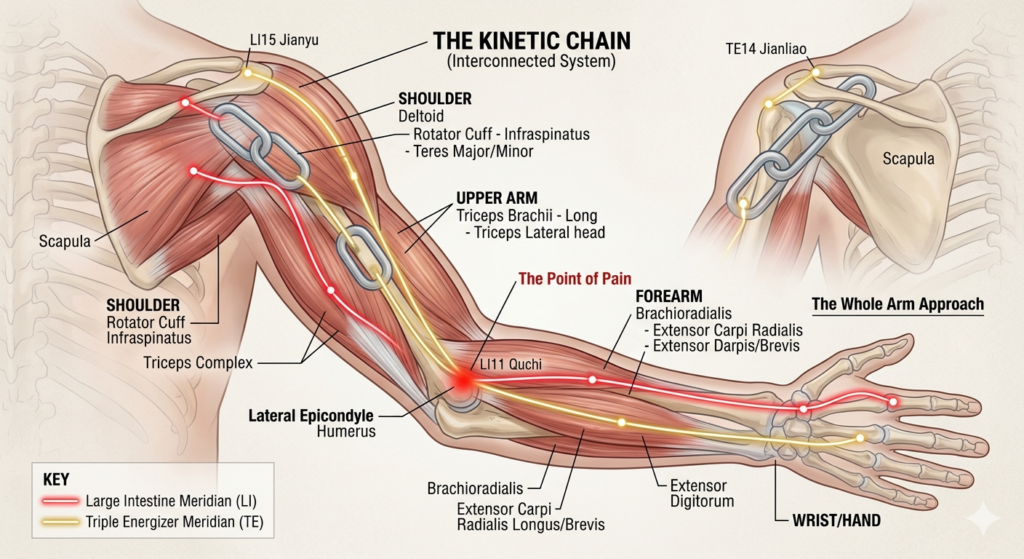
  • Clinical Note From Ray: “Treating only the point of pain is rarely enough. When a tendon gets stuck in a chronic inflammatory phase, my approach is to treat the entire kinetic chain—safely kick-starting your body’s natural ability to repair itself.” – Ruixun (Ray) Lin, L.Ac.

Clinical Analysis & Treatment In-depth read

Whether you are a racket sports player, dedicated to your fitness routine, or putting in long hours at a keyboard, persistent elbow pain can quickly disrupt your active lifestyle and make simple daily tasks frustrating.

“Tennis Elbow” (known clinically as lateral epicondylitis) is the common term for a repetitive strain injury affecting the forearm tendons. You don’t have to play tennis to experience it—it is frequently caused by the repetitive motions of typing, heavy lifting, using hand tools, or gripping.

At our clinic, we focus on treating the physical symptoms of this strain, helping to reduce local inflammation, relieve tension, and restore your natural range of motion without relying on extended downtime.

Common Signs You Might Be Experiencing

If you are dealing with a repetitive strain in your outer elbow, you might notice:

  • Targeted Aching: A persistent ache located right on the bony bump on the outside of your elbow.
  • Motion-Triggered Discomfort: Sharp pain when twisting your forearm, such as turning a doorknob, pouring coffee, or using a computer mouse.
  • Grip Weakness: A noticeable loss of strength or pain when holding objects, carrying groceries, or shaking hands.
  • Morning Stiffness: Waking up with a stiff joint, particularly if your arm was bent during the night.

How Acupuncture Supports Your Recovery

While strained tendons can eventually heal on their own, the process is notoriously slow. Acupuncture is a highly effective, natural therapy used to manage the pain and structurally accelerate your body’s local healing response.

Here is how our targeted treatments address elbow strain:

  • Natural Pain Relief: Acupuncture gently stimulates your nervous system to release endogenous opioids (endorphins), providing immediate, natural relief to the irritated nerves surrounding the elbow.
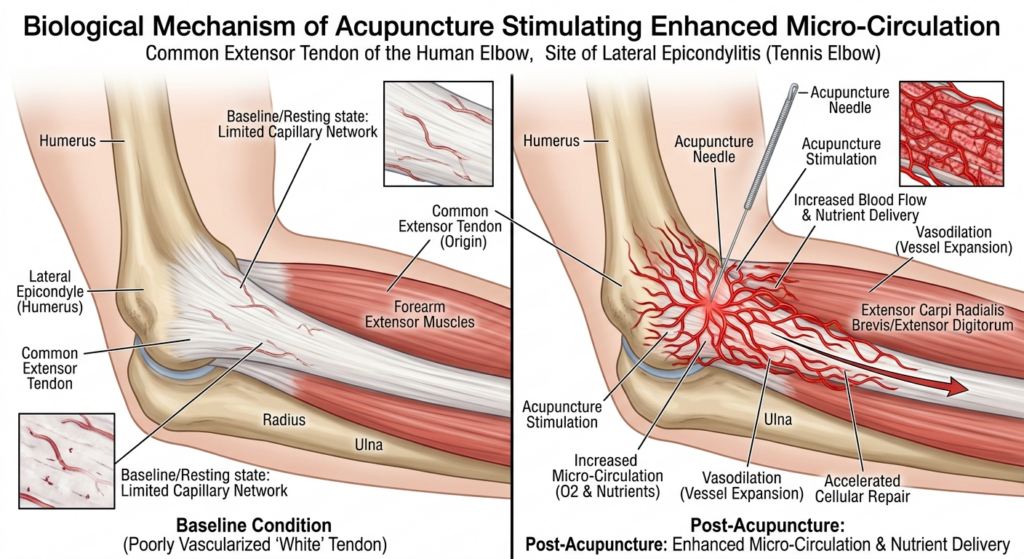
  • Enhanced Micro-Circulation: Acupuncture regulates the expansion of micro-blood vessels. This targeted blood flow helps clear out inflammatory byproducts and delivers the oxygen and nutrients your tendon needs for cellular repair.
  • Releasing Muscle Spasms: Tendon strain often causes the surrounding forearm muscles to lock up in a protective spasm. Acupuncture helps release this neuromuscular tension, removing the mechanical stress from the tendon so it can finally rest and recover.

Our Clinical Approach: An Evidence-Based Treatment Pathway

We do not believe in endless treatments without measurable progress. Whether you come to our clinic with a prior diagnosis or not, we follow a strict, results-driven standard of care for musculoskeletal injuries. We constantly evaluate your response to treatment to ensure you are always receiving the most effective care possible. Because every injury is unique, we will design a personalized timeline during your initial consultation to assess how your body responds to care.

  • Step 1: Acute Phase & Primary Intervention For new or acute flare-ups, our first line of defense is targeted acupuncture combined with clinical rest. The goal is to rapidly reduce localized inflammation, relieve acute pain, and stop muscle spasms.
  • Step 2: Chronic Phase & Comprehensive Therapy If the pain is chronic or does not fully resolve with standard acupuncture, we escalate our clinical approach. This phase incorporates comprehensive therapies and other additional tools we can utilize within our scope of practice as acupuncturists.
  • Step 3: Re-evaluation & Responsible Referral We closely monitor your progress. Once your symptoms have essentially disappeared, we transition you to a simple maintenance plan. However, if you experience persistent functional impairment or if your symptoms are completely unresponsive to our comprehensive therapies, we will formally refer you back to your doctor to explore other treatment plans. Your ultimate recovery is always our first priority.

A Clinical Note from Ruixun (Ray) Lin, L.Ac.

“In my clinical experience, many patients come to our clinic seeking relief from Tennis Elbow—whether from playing sports or simply working at a computer—after months of icing, resting, or wearing braces with little to no improvement.

What often happens is that the body simply stops healing; it gets stuck in a chronic inflammatory phase. Because the tendons in this area naturally have poor blood supply, treating only the point of pain on the elbow is rarely enough. That painful spot is usually just a signal.

My approach is to look at the entire kinetic chain. We don’t just focus on the elbow; we address the whole surrounding muscle group in the forearm and shoulder, while stimulating local micro-circulation right at the tendon’s attachment site. This holistic approach safely kick-starts the body’s natural healing process again, without the burden of side effects.

If you are suffering from mild to moderate Tennis Elbow, acupuncture is a highly effective tool. While every body heals at its own pace, many patients begin noticing a reduction in acute pain and improved mobility within the first few sessions. It is absolutely worth giving your body a chance to repair itself naturally as a conservative first step before you consider more invasive treatment plans.”

Acupuncture for Spinal Disc Conditions: Natural Relief for Bulging, Herniated & Ruptured Discs

Summary:

Acupuncture offers a natural, non-invasive solution for spinal disc conditions, including bulging, herniated, and ruptured discs. It can reduce pain, inflammation, and promote healing by improving blood circulation and supporting nerve function. Acupuncture is a safe complement to physical therapy and can aid in post-surgery recovery.

Your spinal discs act as shock absorbers between the bones in your spine, allowing flexibility and movement. However, over time—due to injury, strain, or aging—these discs can weaken.

Acupuncture can provide effective and safe for common disc conditions. Here’s how acupuncture can help:

Common Disc Conditions & How Acupuncture Can Help

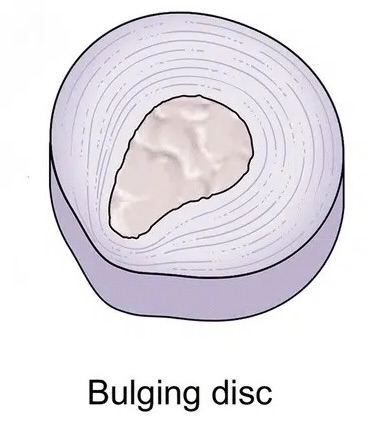
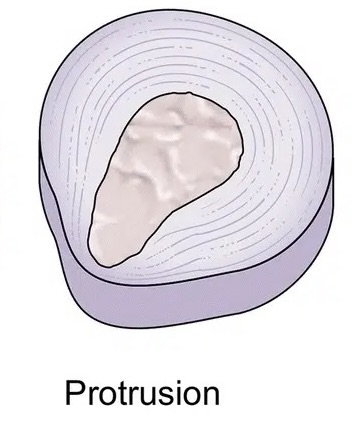
1. Bulging Disc: “A Tire with a Bump”

A bulging disc happens when the outer layer weakens, pushing the soft inner center outward. While this can be mild, it can cause discomfort if it presses on nearby nerves.

How Acupuncture Helps:

  • Reduces inflammation and pain.
  • Boosts blood circulation to promote healing.
  • Strengthens muscles and ligaments to stabilize the spine.

In this type of herniation, many patients experience significant relief and improved mobility with acupuncture, possibly avoiding the need for invasive treatments.

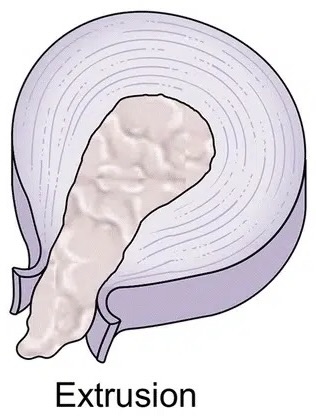
2. Herniated Disc: “A Tire on the Verge of Popping”

When a bulging disc worsens, the soft center pushes deeper into the outer layer, compressing nearby nerves. This can result in symptoms like sharp painnumbness, or tingling down the legs.

How Acupuncture Helps:

  • Activates natural painkillers to reduce nerve sensitivity.
  • Reduces swelling by improving blood flow.
  • Enhances nerve repair and prevents long-term damage.

Acupuncture can be highly effective in managing symptoms, especially when combined with physical therapy. However, lifestyle adjustments like proper posture and avoiding heavy lifting are crucial to prevent relapse.

3. Extruded or Ruptured Disc: “A Tire That’s Bursting”

In severe cases, the outer layer of the disc completely tears, allowing the soft center to leak out and press against nerves. This can result in intense pain, weakness, or mobility issues.

How Acupuncture Helps:

  • Manages pain and inflammation when surgery isn’t immediately necessary.
  • Enhances nerve function and reduces chronic pain stress.
  • Supports recovery, both before and after surgery. 

Note:In this type of herniation acupuncture may offer symptom relief and support recovery, but for severe cases, it’s essential to consult with a specialist. Some conditions may require more invasive treatments or surgery.

What to Expect During Acupuncture Treatment

Acupuncture is a safeholistic therapy that complements physical therapy, strengthening exercises, and posture correction. Recovery time depends on factors such as the severity of your condition, the duration of the injury, and your adherence to treatment.

Frequently Asked Questions

1. Can Acupuncture Help Avoid Surgery?

Acupuncture is effective in mild to moderate cases, reducing pain and promoting healing. In severe cases, surgery may still be necessary, but acupuncture can speed up recovery and reduce post-surgery discomfort.

2. Is Acupuncture Safe for Severe Disc Herniation?

Yes, acupuncture is safe even for severe conditions. It’s often used alongside physical therapy to improve outcomes.

3. What If I’ve Already Had Surgery?

Acupuncture is excellent post-surgery, helping reduce pain, improve circulation, and accelerate recovery.

4. Do I Need an MRI Before Starting Acupuncture Treatment?

An MRI isn’t required for acupuncture treatment. If symptoms persist, we may recommend further evaluation by a specialist.

Why Choose Acupuncture for Disc Herniation?

  • Non-invasive and drug-free, offering a natural approach to healing.
  • Improves circulation, reduces pain, and accelerates recovery.
  • Complements physical therapy and pre- and post-surgery care.

If you’re looking for effective, holistic treatment for disc herniation, we provide personalized acupuncture services serving people from Mercer IslandSeattleBellevue, and Redmond. We focus on supporting your recovery and helping you regain mobility through acupuncture.

Book Your Consultation Today

Take the first step toward recovery! Contact us today to schedule your consultation and discover how acupuncture can help you heal naturally. We’re here to guide you on your journey to feeling better.

Disclaimer

This article is for informational purposes only and is not intended to provide medical advice, diagnosis, or treatment. Acupuncture treatment and outcomes may vary depending on the individual and their specific condition. Please consult with a licensed healthcare provider to determine the most appropriate treatment plan for your individual needs. While acupuncture can provide relief for many, results are not guaranteed, and the effectiveness of treatment depends on various factors, including the severity of your condition, your overall health, and adherence to treatment recommendations

Copyright © 2025 Ruixun Lin, L.Ac., AEMP. All Rights Reserved.